Warning: Redis::get(): php_network_getaddresses: getaddrinfo for localhost failed: Name or service not known in /home/solveddoc.com/public_html/wp-content/plugins/litespeed-cache/src/object-cache.cls.php on line 674 Hosting Archives - Solveddoc
top 11 Web Hosting Providers in Northern Ireland
Choosing the right web hosting service in Northern Ireland can feel overwhelming, but with the right approach and a look at the top 11 Web Hosting Providers in Northern Ireland, the decision becomes much easier it becomes manageable. Over the years, I’ve seen many businesses grow by partnering with reliable providers that understand both global standards and local market needs. Whether you run a small website or manage multiple sites, you’ll want tailored plans that offer real value—including uptime, fast speed, fair price, and responsive support.
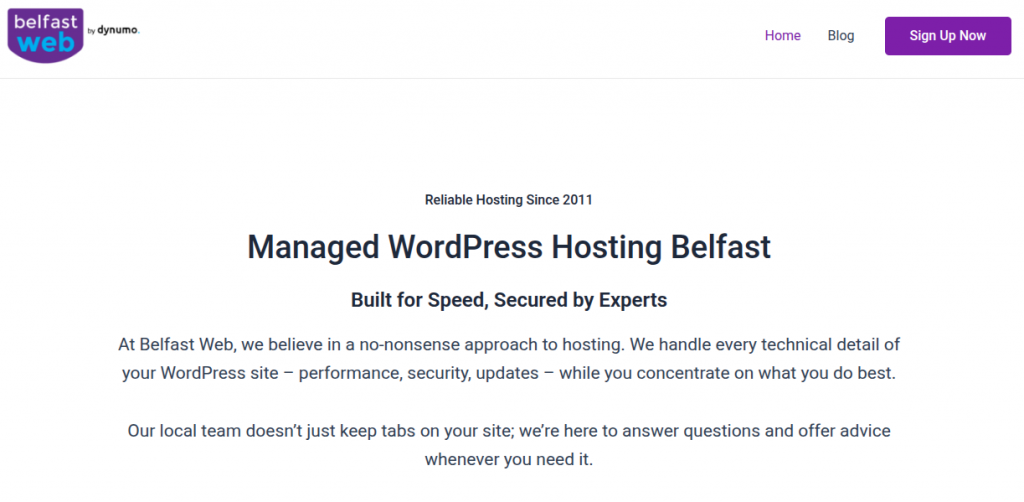
Belfast Web
In Belfast, the hosting scene is full of trusted companies that focus on performance, security, and customer care. From 24/7 assistance to cost-effective tools that help you manage your online presence, the best hosting teams ensure your site is always running efficiently, even during high traffic. Their customer-first mindset and dependable service help ease the burden, especially for small business owners handling everything on their own.
Many of these companies also help you connect globally without compromising local engagement. From launching a new idea to expanding an existing project, the benchmark for great hosting starts with approachable, high-quality services designed to adapt and grow with your needs.
Benefits
Local support teams in Belfast ensure faster response times for urgent issues.
Tailored plans are designed for small business owners and regional markets.
Adherence to global standards while maintaining a customer-first approach.
Reliable uptime, strong performance, and optimized site speed.
Ideal for new, expanding online ventures looking for stability and growth.
Drawbacks
Some plans come with price limitations that may not suit early-stage startups.
Not all providers offer advanced scalability features for growing websites.
A strong local focus can sometimes lack essential global integrations.
Support quality may vary depending on the specific company.
Larger enterprises might need more than what regional providers typically deliver.
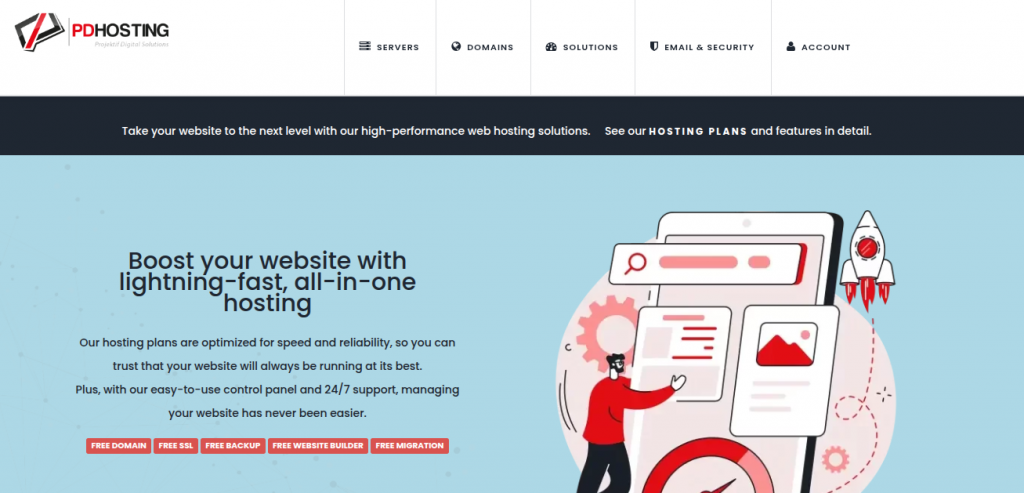
PD Hosting
While exploring the Northern Ireland web hosting scene, I worked with many local providers, but PD Hosting quickly became a top pick for its balance of budget-friendly plans and advanced features. It’s an ideal choice for startups, small businesses, and solo creators looking to scale their business steadily. What impressed me most was the scalability and how well their support team handled even minor concerns.
The clear, affordable packages might have limitations in the lower-tier, but they’re still a reliable offer in a competitive market. Though it may not match the global reach or wide integrations offered by larger enterprises, it brings a strong focus on quality, simplicity, and tailored solutions that actually help your website grow.
Benefits
Affordable and budget-friendly options make it perfect for startups, solo creators, and small businesses.
Advanced features and clear plans are designed for better scalability as your business grows.
Strong support with fast response times ensures smooth running of services.
Focused on quality service within the Northern Ireland market, backed by a reliable offer.
Great value through tailored offers and thoughtful pricing that prioritize simplicity.
Drawbacks
Lower-tier packages come with serious limitations that affect performance.
It lacks extensive integrations, which limits compatibility with third-party tools.
Global reach is missing, making it hard for businesses targeting international markets.
The platform is not ideal for larger enterprises with robust needs.
Companies needing more advanced setups may struggle with available solutions.
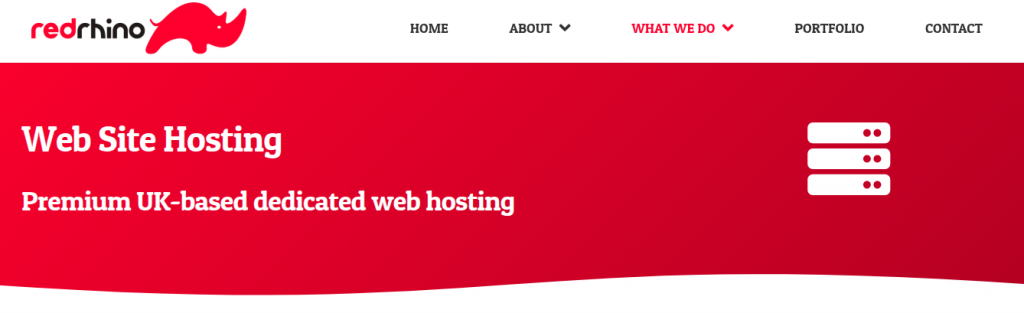
Red Rhino Web Design & Hosting
Working on various web projects across Northern Ireland, I’ve seen how vital dependable hosting and clear services can be for digital growth. Red Rhino Web Design & Hosting delivers outstanding support with quick response times, ensuring every client receives top-notch service. Their tailored plans help startups and solo creators confidently launch without stress, thanks to fair pricing and practical features.
I’ve personally appreciated their focus on simplicity, while still offering the reliability needed to avoid the common bloat found elsewhere. Their transparent offers and flexible plans are designed to scale as your business grows, making them a smart option in the local market. Red Rhino delivers real value for your money through thoughtful design and service execution.
Benefits
Support is fast and helpful, with quick response times that keep your sites running smoothly.
Ideal for startups and solo creators who want to launch stress-free without worrying about value for money.
Their clean simplicity is backed by rich features and dependable reliability, avoiding the usual bloat.
Strong infrastructure lets your business scale confidently as it grows in the Northern Ireland market through trusted hosting services.
Drawbacks
Global coverage is limited due to fewer data‑center locations, affecting sites for international visitors.
Lack of advanced developer tools may not suit users comparing with bigger competitors in the hosting space.
Premium add‑ons increase overall pricing when more features are needed.
Fast expansion beyond medium size can force a switch to another provider.
Migration often brings unexpected stress, especially during high-scale migration phases
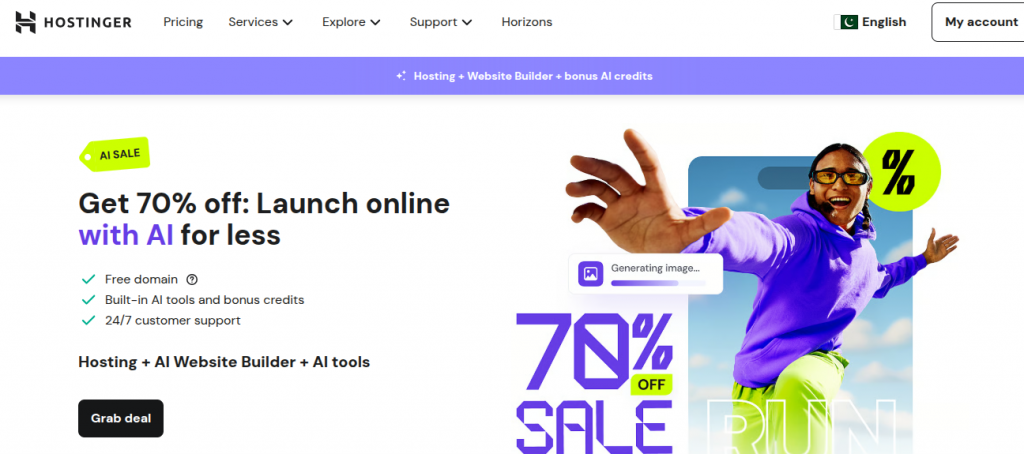
Hostinger
I’ve personally seen howHostinger fits well for startups and solo creators in Northern Ireland who want to launch without spending too much. The plans are budget-friendly yet come packed with advanced features and fast response times, making it ideal for small businesses aiming to grow.
What impressed me most was the clear pricing, a focused support team, and the kind of quality service you’d expect from top-tier hosts. With its reliable performance, excellent scalability, and overall value, it offers real simplicity and strong customer care in a competitive market.
Benefits
Budget-friendly option designed for startups and solo creators launching online.
Delivers advanced features with fast response times to keep things running smoothly.
Offers clear pricing and avoids hidden surprises, which builds user trust.
Supports small businesses to grow with excellent scalability in every plan.
A strong support team and consistent performance make hosting stress-free.
Drawbacks
Not great for large enterprises needing customized solutions or high-end control.
Limited phone support can be a barrier for those who prefer voice help.
Mostly chat-based assistance might not suit all customer needs.
Some features are locked behind upgrades to higher-tier plans.
Krystal Hosting
In my experience using Krystal Hosting, their customized solutions work well for both small enterprises and large enterprises aiming to grow online smoothly. The chat-based system offers quick help, although some may prefer more than just limited phone support.
Their features are strong, and with flexible upgrades, the higher-tier plans easily support scaling. The platform’s structure helps maintain steady growth while avoiding tech stress, making it a solid choice for long-term hosting needs.
Benefits
Offers customized solutions that suit businesses of all sizes in Northern Ireland.
Its chat-based system ensures quick help when support is needed.
Includes advanced features with flexible upgrades as your needs grow.
Built on a strong structure that handles scaling smoothly.
Designed to support steady growth while reducing tech stress during expansion.
Drawbacks
Limited phone support can be an issue for users with specific preferences for live communication.
Getting higher value may mean investing more into higher-tier plans for better performance.
Site Ground
When I explored SiteGroundas one of the top 11 Web Hosting Providers in Northern Ireland, I found its ability to serve both individuals and large enterprises quite impressive. Their chat-based help system quickly solved my queries, though the absence of full phone support might matter to some. What stood out most were the rich features available even on basic plans, and how smoothly they promote upgrades to unlock more advanced tools.
For growing businesses aiming for better performance and greater capacity, their higher-tier plans offer excellent speed and smart resource management, making it a solid choice for scalable hosting needs.
Benefits
Offers customized solutions for beginners and large enterprises alike.
Fast chat-based help ensures a quick response time during setup or issues.
Includes rich features even in entry-level plans, ideal for small websites.
Simple upgrades open access to more advanced tools as needs grow.
Delivers consistent performance, reliable speed, and efficient resource management through higher-tier plans.
Drawbacks
Phone support is limited, which may not suit everyone needing voice assistance.
Higher-tier plans feel expensive for small projects or new businesses.
Some users find switching between features, tools, and upgrades a bit complex.
IONOS by 1&1
From my personal work with a client running a growing online store, I found IONOS by 1&1 to be a powerful choice for small and medium-sized users who are switching from basic platforms but still want a mix of control and simplicity. Its biggest strength lies in the range of tools that simplify website management, even for individuals without tech skills. The service delivers practical features like one-click installs and scalable storage, making room for upgrades as business needs evolve.
While the higher-tier plans offer more resources, they may seem expensive for new businesses with tight budgets. A common concern is the limited phone support, which might delay help for those needing instant help, but if you’re ready to grow, there’s undeniable value in its backend controls that keep things manageable and efficient.
Benefits
Tools and features help beginners and experienced users manage websites with ease.
Scalable storage and smooth upgrades support your business as it grows.
Perfect for small, medium-sized individuals and users switching from basic platforms.
Offers one-click installs and supports those with limited tech skills.
Great value with strong backend controls and responsive infrastructure.
Drawbacks
Phone support is limited, which can be frustrating when you need instant help.
Higher-tier plans are often expensive for new businesses with tight budgets.
Advanced upgrades can seem complex and take time to understand fully.
Instant help is not always available, making urgent issues harder to solve.
Some tight budgets may struggle with the cost of higher-tier plans and ongoing upgrades.
Fasthosts
While working with many startups and solo creators building their first websites, I foundFasthoststo be one of the most affordable and budget-friendly choices in the Northern Ireland hosting scene. Despite the competitive nature of the local market, their plans are ideal for those with tight wallets, and their pricing is clear and transparent, avoiding hidden fees that some other hosts might sneak in.
Though they don’t offer highly advanced tools, they make up for it with reliable support, quick response times, and real help when it’s needed most. This makes it a solid choice for small businesses aiming to grow steadily with scalability in mind.
Their service is focused on quality, offering value through simplicity rather than piling on unnecessary add-ons, and this kind of smart performance setup is exactly what I recommend when advising new clients in the region.
Benefits
Affordable and budget-friendly options are perfect for startups, solo creators, and small businesses in Northern Ireland.
Clear pricing with transparent plans helps avoid surprises like hidden fees.
Delivers solid performance with fast response times and dependable support.
Prioritizes simplicity, offering only essential tools without unnecessary add-ons.
Ideal for users seeking local, focused service with long-term scalability in mind.
Drawbacks
Lacks advanced and developer-level tools, which may frustrate tech-savvy users.
Not ideal for large, rapidly growing businesses needing complex hosting infrastructures.
Limited global reach and lacks specialized integrations for broader expansion needs.
20i Hosting
Working with 20i Hostingduring a high-scale website deployment for a client in Northern Ireland showed me how well it fits rapidly growing, enterprise-scale needs. Its platform offers advanced tools built for tech-savvy, developer-level users who manage multiple sites and demand scalable performance. The specialized integrations allowed seamless connecting of external services into our team’s workflow, which made handling complex hosting infrastructures far easier than expected.
I noticed the deployment process worked smoothly even for global projects, extending our client’s reach as they expanded internationally. However, beginners may find the dashboard a bit overwhelming, and the support expects a degree of technical know-how, which may not suit casual users. Despite these challenges, the benefits of using 20i for large businesses far outweigh the needs of a simpler setup.
Benefits
Powerful and flexible tools meet the advanced demands of developer-level needs.
Designed for rapidly growing, large teams handling complex hosting.
Ensures broad global reach with smooth deployment options.
Easily supports specialized integrations for custom setups.
Helps maintain speed and control for teams needing powerful, scalable infrastructure.
Drawbacks
Can feel complex for beginners stepping into web hosting for the first time.
Not well suited for basic setups or minimal configurations.
Built more for tech-driven environments, which may not suit casual users.
Simpler users may struggle with tools designed for advanced environments.
Kualo
From my experience working with Kualo, it stands out for its clean interface and ability to support both basic and advanced hosting needs. It works smoothly for startups and smaller projects, but also adapts well in complex environments requiring more robust tools. I found the clarity in its dashboard useful, especially when managing multiple websites or shifting between configurations.
It’s ideal for beginners exploring the hosting world, yet still satisfies professionals running tech-driven setups. One benefit is the smart bridge it creates between systems of different levels, but a drawback could be that some users might outgrow the platform if their infrastructure expands rapidly beyond what it supports.
Benefits
Perfect for beginners with a clean interface and smooth setups.
Offers robust tools made for tech-driven users who want control.
Works well for startups, small projects, and handling many websites.
Balances basic use with advanced features and complex functions.
Acts as a smart bridge between simple tools and powerful systems.
Drawbacks
Not built for fast-growing or large businesses with expanding needs.
Some professionals may find the advanced features a bit limited.
Enterprise-level solutions and deep customization may not suit all users.
cyber hosting.cloud
From my hands-on work with local digital businesses, I’ve seen cyberhosting.cloudbecome a solid choice for tech-driven teams who want simplicity but still need complex capabilities. What makes them stand out is their ability to support basic setups while scaling smoothly into more suited environments for developers or advanced users.
It’s a perfect fit for those who aren’t complete beginners but also don’t want to dive into heavy technical demands. Their platform feels clean and reliable, and if you’re running lightweight projects or experimenting in more complex environments, Cyberhosting adapts well, especially if you’re growing from basic needs into more tech-driven spaces.
Benefits
Perfect for semi-beginners who are exploring advanced hosting without being overwhelmed.
Supports evolving needs in varied environments, which is ideal as projects grow.
Offers flexible tools for small-to-medium projects with well-suited performance.
Handles both basic and complex setups for tech-driven users.
Smooth onboarding helps you get started fast without missing critical features.
Drawbacks
Too simple for highly experienced developers needing advanced, custom setups.
Not ideal for beginners who need guided tools or step-by-step help.
Limited specialized support and fewer options than established platforms.
Lacks deep flexibility in setup compared to other platforms used in advanced workflows.
FAQS
Which hosting providers are best for beginners or small local businesses in Northern Ireland?
Services like PD Hosting, Red Rhino Web Design & Hosting, and Belfast Web (Dynumo Hosting) are great for beginners due to their local support, simple interfaces, and small business focus.
Are there any eco-friendly or green web hosting providers on this list?
Yes, Krystal Hosting and Kualo are known for offering eco-conscious, green-powered hosting solutions while maintaining high performance.
Which of these providers are suitable for advanced developers or fast-scaling businesses?
Platforms like 20i Hosting, Fasthosts, and cyberhosting.cloud cater to tech-driven teams with advanced tools, developer-level access, and flexible scalability.
Who offers strong international or enterprise-level hosting features?
IONOS by 1&1, SiteGround, and Hostinger provide global reach, premium features, and higher-tier plans suitable for large enterprises or international websites.
Can I find reliable support and uptime with these providers in Northern Ireland?
Most of these providers, including SiteGround, Hostinger, and Krystal Hosting, offer 24/7 support and solid uptime, but local hosts like Belfast Web and PD Hosting may have more personalized but limited support hours.
CONCLUSION
After working closely with local clients and testing different setups, I found that choosing a provider from Northern Ireland depends on your needs, budget, and technical level—whether you’re a beginner, a developer, or managing a large online store. From affordable options like PD Hosting to advanced, feature-rich platforms like 20i or SiteGround, each host comes with its benefits and drawbacks. If support, reliability, or custom setups matter to you, you’ll want to compare their tools, pricing, and real-world performance before making a decision. Many providers offer eco-friendly, scalable, or beginner-friendly plans, making it easier to find one that’s truly suited to your project goals.
9 Reasons Why Web Hosting Complaints Arise
Launching a business in today’s digital world means having a strong online presence. With the Internet rapidly expanding globally, countless businesses are now racing to establish themselves online. However, choosing the right hosting provider can be challenging due to increasing Web Hosting Complaints, as many services fail to deliver what they promise. This makes the process of selecting the right web hosting service even more overwhelming.
When I first started, I thought choosing a company was as easy as picking the cheapest option—but I quickly realized how important the right provider is. A website should run properly, just like electricity in a house—you only notice it when something goes wrong. Most people don’t consider their hosting until problems appear.
From my experience, the real trouble begins when your webhosting doesn’t support your requirements. I’ve had hosts that lacked support, which made me rethink my choices. When sites load slowly or crash, it’s often due to poor hostingservice or hostingcompanydecisions. I’ve come across companies that seemed perfect at sign-up but became a nightmare later.
It’s essential to look at options, not just settle for what looks good. Many new entrepreneurs don’t realize how much their technology, connection, and platform setup matters. Terms like electricityconnection, runningproperly, or even seldomthought often describe the nature of these issues—quiet until they break. It’s these typical issues that make peoplehosting hard to trust, and in some cases, push users to explore rethinkchoice or a new hostingright solution.
Reduced Speed and Accessibility
From my experience running multiple web projects, a slow website can ruin the user journey. If navigation is clunky or pages take too long to load, you instantly lose traffic. The performance of a site depends heavily on your hosting. A major reason many companies face web hosting complaints is due to reduced speed and poor accessibility.
When internal pages take time, search engines lower your listing, and results suffer. You must get a fast, reliable host to avoid this. From a strategic standpoint, your role is to ensure the part of tech that users don’t see—the hosting—is never the bound reason they leave.
From my experience, one major problem users face is reduced speed and poor accessibility. If your website takes too long to load, check if your hosting company has its data centers located nearer to your audience. High latency and delay in navigation often come from poor network setup or low-quality hardware. A good host should reduce these issues using strong support teams and proper tools.
Using a ContentDelivery Network helps serve cached versions of static content at optimized speeds across different locations, especially if people are visiting from across the world. Always check the quality, availability, and performance your provider promises. The amount of care and support they offer can make or break your site.
Lack of Website Protection
In my years working with websites, I’ve seen how ignoring security can invite hacking, identity theft, and other major issues. Many clients assume their web hosting service includes protection, but in reality, a lack of essential features like malware scans or firewalls puts their website at risk. If your site has already been hacked, it’s often a sign the service is weak or not properly providing what’s needed.
The level of protection must match today’s threats, yet I still see hosts that are outdated and don’t evolve with days like these.
A secure host must become a shield, not just a space. If it has holes, you could be exposed, even if everything seems fine with your setup. From element to case, each part plays a role—an ignored patch, a missed update, or simple user error. The need for strong layers is constant; of course, we want peace of mind, not panic.
I always tell clients: your hosting is the foundation, and if it’s unstable, the entire experience collapses. It’s why I never compromise on hosting, and neither should you—it’s more than a tool; it’s a digital lifeline.
A shared hosting plan offers the lowest level of security. If your business is growing, it’s important to think seriously about switching to VPS or dedicated hosting for better protection.
Know Your Needs
One big mistake I’ve seen people make—something I once did myself—is choosing a web hosting company without fully understanding their actual needs. When launching a project, it’s tempting to grab the first service that sounds good or offers a low price. But it’s vital to evaluate things like uptime, bandwidth, technical support, and disk space first. Your platforms might require specific software or hardware, so take the time to look closely at what’s included in the package.
I once ignored this and ended up with support channels that were barely reachable, even though I needed help urgently. A proper hosting plan should match your particular goals and be flexible enough for months ahead, even if you’re just starting. Before you select from the many hosting companies or providers, make sure to know what you want—down to every feature, no matter how small.
If your purpose is growth, you can’t afford to skip steps. A clear understanding of your true requirements leads to better decisions and avoids unnecessary complaints later. There are different types of hosting, and not all are good for every situation. Knowing your needs means you may not fall into traps that others do by taking offers that don’t suit them.
It’s not about choosing “whatever”—it’s about selecting what really fits your use case. And when things lead to problems, it’s often because the decision was made without considering the essential details.
Restricted Hosting Capabilities
In my early days of running an online business, I learned how crucial it is to avoid a fixed setup. Your needs and company constantly evolve, and without a flexible plan, you hit a wall fast. As your website begins to grow and expand, a rigid host can’t keep up. A good builder or host must let you scale easily—from shared to VPS or even dedicated plans—without bottlenecks. I once had to upgrade my service because I wasn’t getting enough data allowance despite paying more.
A smart choice is a hosting provider that offers many options tailored to usage, allowing you to use only what you need. That’s real flexibility. You should never feel boxed in—your service must adjust as your business progresses. In a nutshell, let your platform flourish without barriers. And yes, doing it easily makes a world of difference.
Heavy Traffic Impact
As someone who has managed multiple client sites, I’ve seen how high traffic—while great for business—can sometimes be too much of a good thing. When your website starts to generate more leads and the amount of traffic grows unusually, your server must be able to handle it properly. If not, it can slow your site speed, hurt its functionality, and result in a not so great experience for users.
What many forget is that when too much demand hits your site in a short period, even a “good” setup can struggle. Pages take longer to load, the whole site may go down, and the goal of a seamless experience is missed. That’s why it’s important to always be ready to scale and anticipate growth well in advance—trust me, I’ve learned this the hard way. If your host isn’t capable, you’ll face real issues, and you may end up losing traffic that once came in very eager.
To avoid complaints, invest in a setup that’s good, reliable, and can expand as needed. Functionality, after all, is just as important as visibility. So whether it’s during a campaign, sale, or viral moment—that rush shouldn’t be what breaks your platform. Keep it smooth, in control, and built for the unexpected.
Lack of Worth
From my experience, when people compare different web hosting services, they often get distracted by flashy offers from 2020-style pricing trends. It’s easy to ignore the real needs of your website and chase low prices, but that can lead to regret. I’ve seen many sign up with a company just because it was cheaper or simply marketed well, without realizing that a low price does not always translate to good value.
The real strategy is to pay only what’s necessary for reliable hosting, and nothing more, while avoiding being tempted by unrealistic deals.From my experience, many hosting companies lure customers with cheap introductory offers that seem attractive at first glance. However, when you go for renewing the plan, the price often doubles, making you pay the full amount, which feels unfair.
While looking at plans and costs, I always ensure to read the fine print to avoid surprises. Initially, this mistake cost me extra, but now I keep in mind to compare many options, have patience, and know when a deal truly benefits you.
Delays in Fixing Hosting Problems
From my own experience dealing with web projects, I’ve seen how hosting companies sometimes fail to disclose critical limitations in their packages. When unexpected issues occur, customers struggle to understand the full scope of the service they paid for. A company that doesn’t resolve site errors quickly risks long downtime, which directly impacts visibility on the Internet.
I always look for a provider that guarantees 99% uptime and stands behind the offered service without excuses.From my own experience, companies often fail to disclose critical information about how much time they take to provide solutions when a website faces issues. This situation can make clients repent their decision later if they encounter any limitation in the web hosting plans.
Before choosing a company, I always review all aspects of the plan and spend time selecting the right choice that meets my needs. It’s important to evaluate features and services carefully, as once you start subscribing, you must rely on them for support. Over time, I’ve learned to be better acquainted with these factors and make the right decisions after a thorough check
Hidden Limits in Hosting Plans
I once faced a problem when my website stopped running smoothly, and I had no option but to wait for my hosting service provider to fix it. The real issue starts when hidden restrictions suddenly occur, leaving you feeling helplessly stuck while hoping things get resolved quickly. From my experience, such moments of worry highlight how important it is to check the fine print of your plan before trusting your hosting company.
I’ve seen many people frustrated when they realize their web hosting plan has hidden restrictions. The company may not clearly explain how much support is actually available. While some companies promise 24/7 help, only a few truly deliver online assistance around the clock. From my own experience, the lack of quick help to resolve urgent queries wastes valuable time. If your support isn’t reliable, even the best features of the plan won’t save you.
From my experience, when companies only provide a contact form to register complaints, customers often wait endlessly for a solution. Even with promises of 24/7 support, the service can feel slow and lacking in quick responses during downtime. Some providers push users toward FAQ pages or forums, which rarely resolve urgent issues and only add to the problem.
This lack of reliable assistance turns a simple query into a frustrating experience, especially when every minute of waiting impacts your site and overall convenience.
Hidden Terms in Promotions
Over the years of working with different webhosting companies, I’ve noticed how some promotions with big discounts hide tricky clauses and unclear terms. Many customers expect unlimited features but later discover limits on bandwidth, storage, or support, which leads to frustration and frequent complaints.
I once guided a client who believed in “unlimited space,” only to find a limit on file counts that wasn’t mentioned in the fine print. Such hidden details make people feel misled, shake trust in the company, and push them to switch services, leaving behind negative feedback. Based on my review of various hosting packages, I now focus on reading every line before committing to avoid unpleasant surprises.
Solution of web hosting complaints
Complaint
Solution
Reduced Speed and Accessibility
Use a hosting provider with SSD storage, CDN, and caching tools to ensure faster loading and smooth accessibility.
Lack of Website Protection
Choose hosts that provide SSL certificates, firewalls, malware scanning, and automatic backups for better security.
Know Your Needs
Evaluate your website traffic, storage, and features to pick a plan that matches your current and future requirements.
Restricted Hosting Capabilities
Opt for hosting plans that allow add-ons, databases, and scalability; consider VPS or cloud hosting if needed.
Heavy Traffic Impact
Select providers offering scalable or cloud hosting to handle sudden traffic spikes without downtime.
Lack of Worth
Compare features vs. pricing and choose plans that deliver value with transparent policies and reliable services.
Delays in Fixing Hosting Problems
Go for hosts with 24/7 customer support and a proven record of fast technical issue resolution.
Hidden Limits in Hosting Plans
Carefully read terms and conditions to identify hidden restrictions like file or bandwidth limits.
Hidden Terms in Promotions
Always review fine print and renewal pricing to avoid unexpected costs after the promotional period.
FAQS
1. What are the most common web hosting complaints? The most common web hosting complaints include reduced speed, hidden limits in plans, poor customer support, and unexpected renewal costs.
2. How can I avoid web hosting complaints related to speed? To prevent web hosting complaints about slow speed, choose providers with SSD storage, CDN, and caching tools that ensure fast website performance.
3. Why do customers file web hosting complaints about security? Many web hosting complaints arise due to weak security measures. Always pick a host that offers SSL certificates, malware scanning, and DDoS protection.
4. How do hidden terms in promotions lead to web hosting complaints? Hidden terms in promotional offers often cause web hosting complaints when renewal prices rise unexpectedly. Reading the fine print helps avoid such issues.
5. What is the best way to resolve web hosting complaints? To resolve web hosting complaints, communicate with the provider’s support team, review their policies, or switch to a more transparent hosting company.
Conclusion
In my experience of dealing with different hosting companies, I have learned that many web hosting complaints arise due to small misunderstandings and ignoring the fine print in plans. Users often get attracted to flashy marketing offers but later face problems like hidden limits, unexpected downtime, or lack of proper support.
These issues usually happen when the hosting plan is chosen without understanding the key features and required services. A reliable host is not just about big promotions, but about stable performance, clear policies, and quick response during critical time. By paying attention to important points, we can save ourselves from frustration and ensure a smooth-running website.
9 Proven Steps to start a Profitable Web Hosting Business
Starting a web hosting business may seem simple, but it takes more than just a basic setup to succeed. I remember launching my own company with almost no budget — it was surprisingly cheap, yet taught me the value of providing reliable services. With every individual and business needing websites, there’s real room to grow, even in a space full of competition.
My first few clients brought significant returns, showing how safe and easy it can be to scale if done right. You must focus on generating value and supporting your clients as they grow — that’s where you’ll see the long-term rewards.
When I launched my web hosting business, it opened new revenue streams and helped me serve more clients with essential services. If you already run a company in IT, infrastructure, or design, adding a hosting platform supports sustainable growth and attracts upcoming businesses. It’s a smart way to offer valuable products while building strong connections and helping others get started in the digital space.
Do I have to be tech-savvy?
When I first launched my website, I had no prior experience and the process felt like climbing a mountain. But with the help of a builder offering a drag-and-drop editor, things became easier. I didn’t need to learn HTML, CSS, PHP, or JavaScript—the platform handled it all without code.
You can create a new, fully functional web-oriented site, even if you’re just starting with basic knowledge, and everything gets done visually—like creating blocks with purpose.
You don’t need to be highly tech-savvy to start a hosting business. Platforms like WordPress, Joomla, or Drupal make it easy to manage a website without deep technical skills. I started from scratch with just a passion to learn — having control over your setup, like sitting in the driver’s seat, gave me the confidence to grow.
Being in complete control helps you achieve better results, and tools today let you easily position your business ahead of the competition. In my experience, even without formal training, you can put things in place and move yourself forward. It’s not about being a pro, just knowing your way around the platforms.
With time, you’ll learn what yields the best outcome and what doesn’t. It’s not a negative to start with little knowledge — it’s just another instance where you learn as you go. All you need is the will, the right tools, and a mindset to do better than others. Trust your gut, stay consistent, and be ready to stand against the odds.
When I started my small business, I wasn’t sure if I had to be a tech genius. The truth is, even if you’re not deeply technical, you can still create a simple website that displays your products and a blog without too much hassle. All I needed was to know how to choose a reliable web hosting provider,pick a domain name, and upload my files to the internet.
Most of the time, user-friendly platforms guide you through the process, so you don’t feel lost. My advice? Focus on the projects you care about, use tools that do the heavy lifting, and take it step-by-step. If your goal is to get your content on the web, you only need to know the basics—to get your site on the web and grow your business from there.
Identify Your Site’s Objective
When I first creates a website for my small business, I didn’t realize how much the site would play a role in growth. Many new owners either underestimate or overestimate what they need, which can lead to paying for a hosting plan that’s either too basic or too advanced. It’s common to think you’ll need more from your hosting service early on, but the result is often a quick upgrade in just a few months, or worse, spending on a level of support you never use.
You should determine your site’s purpose before choosing a hosting plan.
Before launching my web hosting business, I realized that every site has unique requirements. A blog or promotional website might only need simple pages, while an eCommerce store with thousands of products demands more storage, databases, and a powerful server.
Whether you’re targeting traffic to a brick-and-mortar location or staying fully online, offer flexible plans with strong features to support retail, catalogue needs, and secure saving.
Blogs with lots of videos or images need more server resources than those with just a few text posts.
Before starting my web hosting journey, I had to determine how the site would function in my business. Choosing the right packages, rates, and resources meant considering factors like server, storage, and bandwidth. The intended use of the website guided all decisions and steps in creating a solid plan with trusted providers.
Choose the Best Hosting Plan
In a competitive marketplace, many companies are vying to be your go-to hosting provider. Focus on technology, monthly rates, and customer service—these factors truly help your business grow. Always choose a provider with strong differentiators that meet your customers’ needs and feel right for you.
Here are the things you should look for when choosing a web hosting plan:
The hosting company should offer different plans so you can pick one that fits your needs.
Getting your hosting up and running should be free with no setup costs.
Some web hosting providers include a free domain name with every hosting plan. Even though the cost is small, getting a free domain is always a nice bonus.
The provider should include free tools to build your website and a control panel to manage it easily.
Well-known CMS platforms like WordPress should be fully supported.
Hosting plans should run on high-performance servers to guarantee reliable website performance.
Customer support should be available through email and phone, preferably 24/7.
A simple website builder should be available so you can try creating pages and build your first website easily .
Starting a web hosting business means offering affordable, reliable options that meet various business needs. Many clients begin with shared hosting, where multiple websites run on one system and share server resources. But as traffic grows, so does the need for performance, security, and access.
That’s when VPS or Virtual Private Server solutions shine—providing fast, custom, and enhanced support without the high cost of dedicated servers.
Plans should include features like domain and email addresses, support for multiple sites, and disaster recovery tools. Avoiding limitations and restrictions is key for growing websites.
Offering flexible plans with options like Private setups, protection from malicious intent, and helpful guides or blogs helps clients opt for what fits best. Always be ready to help owners make smart choices and scale with ease.
Buy a Domain for Your Website
When I started my own hosting business, the first crucial part was securing a strong domain and name. Although it’s deeply associated with your website, this connection isn’t permanent—you can transfer it later if you desire a different direction or rebranding.
A domain name is like giving your website an easy-to-remember name, so people don’t have to deal with confusing number strings like IP addresses.
When I created my first website, I knew the domain and name needed to match my brand and reflect its digital identity. A unique IP address marks your site on the internet, but people remember words, not numbers.
I always recommend choosing a memorable, right name — it’s more than a technical task, it’s your online presence. With just a bit of pairing and planning, I made sure mine was marked, easy to type, and truly crucial for my business.
From my own experience, when you purchase a domain, make sure it’s relevant, short, and professional. Over time, I bought a different domain to reflect a business pivot — and with a simple redirect, I kept all the SEO value while rebranding smoothly.
It’s incredibly easy to connect a new name to your existing website, especially if your hosting provider supports seamless redirection.
Once your domain is associated with your site, it becomes the foundation of your online presence. Whether you’re just getting started or planning for future updates, always keep your address, created assets, and overall name strategy aligned.
Your official online identity should evolve with your business, not against it — and getting this step right means you’re building your web hosting venture on solid digital ground.
When I first started my business, I quickly realized how important a solid domain name is for building credibility. While platforms like WordPress and Squarespace offer a free subdomain such as yoursite.wordpress.com, they often don’t look professional to potential clients.
That’s why I chose to invest in a custom domain—it made my website stand out and showed I was serious about what I was doing. The right name is not just a label; it’s a statement. It gives your own brand a face and helps you get taken more seriously, especially when you’re up against other companies in the same space.
I spent time shaping my idea, made a substantial decision to purchase the domain, and treated it as part of my long-term investing strategy. The result? A stronger foundation that truly reflects my goals and commitment.
Determine which CMS to use
When I first decided to start my web hosting business, I quickly realized it’s not enough to just use a CMS like WordPress — you need to buy a domain, manage your website, and avoid doing everything manually with HTML, CSS, and custom scripts.
A content system makes the process much more advisable and helps you stay focused on what really matters: building a powerful web presence using professional tools and structured contents.
This powerful open-source platform is highly flexible, capable of running everything from personal blogs to full-scale online stores, and can be easily optimized for search engines using a variety of helpful plugins.
When starting your website, choosing the right CMS or builder like Wix helps you create and manage a professionally designed site with good-looking templates that work on all devices.
With excellent options, even those with no experience can succeed. A famous example might suit all, so choose what fits best. You’ll learn more as you go, and it’s enough to begin—even without knowing everything. Stay looking ahead.
Website builders come with built-in search engine optimization features, allowing you to focus entirely on creating your content.
When I started my web hosting business, one of the first key decisions was choosing which CMS to support. I explored various platforms like WordPress, Drupal, and Joomla, each offering different levels of performance and flexibility.
For small business owners and bloggers, WordPress stood out because it was much easier to manage and quick to launch websites. However, as I worked with more notable companies and enterprise clients, I realized that Drupal and Joomla had the edge in handling complex content, custom sites, and large-scale eCommerce setups.
Many clients already owned their preferred system, but understanding their unique needs helped me guide them better. Being able to work across such a wide range of worldwide clients and industries meant I had to stay adaptable and deliver reliable solutions through the right CMS choices.
Starting a web hosting business means picking the right CMS and package for high performance. A managed platform like WordPress offers built-in security, monitoring, and fast load speeds. You’ll expect reliability, safe data, and strong capabilities from optimized servers. Be sure to choose smart, as the plan you have can mean the most for you.
Set Up Your Site Design
When I first started building websites, I learned that design isn’t just about looking good — it’s about creating a functional and attractive experience that keeps visitors coming back. As a novice, I made the mistake of choosing wild fonts and clashing colour schemes, which made the site look unprofessional.
Over time, I realized a well-thought-out website should reflect your brand, work right, and help you engage with your audience. As a website owner, understanding how the digital world works helped me avoid common pitfalls and focus on the little things that make a big difference, like keeping the layout clean and the flow intuitive, encouraging users to return.
Select a Theme
When I started my own web hosting venture, choosing the right theme was key. A professional layout with a clean design helped build trust. I made sure the banner and image placement fit the brand style, and the size didn’t slow down the site.
Using a CMS or builder made it easier to manage the website appearance, from fonts and text to the colour scheme, giving my site a sharp, polished look. I always recommend customizing the elements and location of content when designing, even if you’re using a premade template.
TheAstra theme is a free and widely used WordPress theme known for its speed and flexibility. You can easily customize it to build any kind of website you want.
The Spectra pagebuilder plugin adds extra flexibility by providing custom building blocks with a variety of engaging features.
Build an Eye-Catching Page Structure
When I first started building web hosting sites, I realized how important it is to keep the layout clean and focused. A strong structure and intuitive hierarchy help visitors feel at ease and find what they need quickly. Your store’s top section should showcase products clearly with a clear call to action. This is especially important if you’re trying to boost conversion on an ecommerce platform.
The design should support both usability and visibility, ensuring that content is both attractive and easy to readable. I like to start by choosing a flexible theme that allows me to customization features like colour, fonts, and typography. These may sound small, but each plays a big part in your overall scheme. Don’t forget the basics—your responsibility is to stay within certain boundaries so users can navigate your content with ease.
Use text blocks that match your brand’s voice and offer real value. Modify and steer the action toward what matters: signups, sales, or learning more. Appear more professional by using a well-designed interface. When you build your page, plan for every section—even if it’s just a some minor detail. Always know where you want your owner or customer to go next. Trust me, getting this right makes all the difference.
That’s why I recommend you always test and refine your default settings, whether it’s a CTA, online form, or product layout. And if you’re thinking, “Do you really need to care this much?” — you’ll thank yourself later. Start with a fundamental structure and build up with purpose. Use your tools responsibly, and always design with your user in mind. It’s your chance to make that strong first impression.
Mobile-Friendly Design
When I first launched my own hosting service, I quickly learned how important it is to think about users who browse on phones, tablets, and other devices. A site that isn’t mobile-friendly will instantly lose access to a huge audience. That’s why I always focus on responsive layouts that display content differently based on the device being used.
To make your site stand out, ensure there’s only one version of your design that adapts well. It should feel smooth and intuitive, regardless of screen size. You must strive to make it simple for people accessing your platform anytime, anywhere — because the way people connect has evolved, and your content must follow.
Publish Content on Your Website
When launching your web hosting business, publishing content on your site with the right structure is key. From personal experience, using a CMS makes it easier, especially if you’re not ready to dive knee-deep into HTML and CSS code.
I once opted for a manual route and quickly realized how important it is to design and plan before uploading anything. A well-designed, proper setup helps avoid going back to fix things, saving time and headaches. Every word and layout decision should be important, because these early decisions shape how your customers see your brand.
If you run a blog, should you organize your posts by date or by topic?
What is the best way to organize product pages in an online store?
How can you make your FAQ or Privacy Policy page accessible, but only visible when needed?
Answering questions like these will help determine the most effective structure for your site’s content.
When I launched my first web hosting venture, I underestimated the power of content. It’s not just about filling space — your site should represent your brand with a voice that feels familiar and trustworthy. Clear messages, delivered with consistent tone, help visitors quickly understand your business and what sets you apart.
Think from the user’s perspective: they arrive looking for reliability and professionalism. What you communicate must reflect your values and handle concerns before they’re even voiced. This is your opportunity to build connection and trust through solid structure and storytelling.
Set Up Helpful Plugins
When I launched my first web hosting site, I quickly learned how vital plugins and add-on tools are to streamline management and improve your website’s functionality. Whether you’re using a popular CMS or a homegrown setup, integrating the right applications can truly extend your service capabilities.
Start by exploring feature-rich tools that match your niche — from helper scripts to security systems — and make sure they’re tied into your platform. I always choose options that are not just powerful but also easy for clients to use. With so many categories out there, you’ll find what fits — from content control to site backups.
Don’t ignore the significantly growing demand for smooth UI and smart automation. You can employ these tools to handle called tasks like auto-setup and billing. The right setup lets you support every, any, or most clients without getting overwhelmed.
Even if you’re building something similar to others, use what you know, test what your users need, and customize what you can. If you’re wondering where to begin — just pick one plugin and go from there. You’re not in this alone — another web host has likely faced your challenge before — and that’s the beauty of open tools: they’re for everyone, and built to help you scale to more.
Capture audience
When I first decided to build my own website, the most important step was choosing the right domain to set my site apart. A good domain helps your visitors connect instantly, especially when your design is clean, attractive, and easy to remember. Before anything else, I made sure the site was running smoothly and up 24/7, as this builds trust and encourages people to stay longer.
I’ve found that a simple, well-structured platform can quickly turn visitors into loyal customers, especially when you attract them with a professional look. If you can generate interest early, you’ll notice more engagement and leads. That’s why I always suggest to buy a domain that feels meaningful, is easy to remember, and reflects your purpose clearly. Every little detail counts, from the steps you take early on to the effort you put into making your online presence strong.
The list below outlines common methods for increasing the number of visitors to your website.
Grow Your Brand on Social Media
When I started my own hosting venture, I quickly realized how powerful social media is for building visibility. Platforms like Instagram, Twitter, and Facebook helped me connect with real people in the world who needed hosting, even before they searched on Google. Sharing regular posts with my profile link and adding a direct path back to my website made my business feel more present and professional.
I used platforms that fit my target audience. If you’re a creative like a make-up artist, you’ll shine on Instagram, but if you’re going after professionals, LinkedIn might be your space. I kept my content featured and prominently shared with the right reach in mind.
It’s not just about being online—it’s about being visible with strategy and tactic. A proven way to stand out is showing up daily, staying part of the conversation, and using platform tools smartly.
Once you start doing this, your brand becomes part of a bigger web of influence. That’s how I grew my business—by choosing the right platforms, building audience trust, and staying consistent, not just with what I posted, but also when I posted.
Focus on seo
When I first launched my web hosting venture, I underestimated how important SEO, or search engine optimization, would be for getting real organic traffic. To attract the right audience to your site, you need to craft content packed with relevant, semantic keywords that align with user intent and high-value queries. I learned to avoid stuffing or overuse, as that hurts readability and triggers penalties from Google’s algorithm. Instead, I focused on contextual placement—putting phrases into natural text, optimizing metadata, headings, and anchor tags with a healthy density of high-volume, competitiveness-balanced terms.
Another tip that helped boost my ranking on SERPs was understanding indexing and crawl behavior, ensuring my descriptions, on-page structure, and positioning all improved visibility. As I refined my strategy, I noticed how even updates to engine behavior or changes in searcher habits could affect results, so adapting content and staying discoverable became second nature. The right strategy, supported by clear focus and a balanced use of keywords, helped increase engagement and kept my platform ranked well in a competitive space.
Build high-quality backlinks
In my early days, earning backlinks from high-authority websites helped my site appear trustworthy. I made sure to include well-placed links from external sources to bring visitors and boost ranking on search engines. When another site links to you, it plays a significant role in your growth. You must have authority, target the right audience, and not overlook those details — they’re key if you want to truly stand out.
Communicate with a Steady and Clear Brand Tone
Keeping your message clear and steady helps give visitors a smooth, connected experience and builds a stronger presence for your brand online. Whether someone finds you through a social media post, a backlink, or an ad, they expect the same value and tone when they land on your site.
Implement Billing and Support Systems
When I launched my hosting business, setting up automated billing was a game-changer. Using integrated software and trusted payment tools like PayPal helped manage invoices, improved cash flow, and simplified account setup with seamless provisioning. A strong support structure with a ticket system, 24/7 assistance, and a dedicated desk ensured clients always had help. With a solid CRM, I could track user activity, respond fast, and offer personal, efficient service—building trust through real-time communication and smooth management of subscriptions, processes, and tools like the hosting panel.
FAQS
Start web hosting business from home and earn money?
Yes, you can start a web hosting business from home with low investment and earn good money. All you need is a strong plan, internet, and a reliable reseller hosting provider. Stay dedicated, build trust with clients, and grow step-by-step.
How to start a game server hosting business?
You can start a game server hosting business from home with the right strategy and tools. Focus on a strong foundation—choose popular games, reliable hardware, and know your market. Stay dedicated, follow a step-by-step plan, and keep building trust to see real results.
You can start a VPS hosting company by first building a solid foundation with strong servers and virtualization tools. Study the market, set clear goals, and craft a smart strategy. Stay dedicated, grow step-by-step, and always review your progress. Earning trust brings lasting results.
conclusion
Building a web hosting business taught me that success comes from a solid foundation and clear goals. At the start, I focused on understanding the market and shaping my strategy to fit real needs.
Being dedicated every day helped me stay on track, even when challenges came up. I followed a step-by-step process and stuck to my plan, adjusting it with each new result I got.
The key is to build trust—with customers and with yourself. Always review your actions, learn from mistakes, and improve slowly but steadily.
Every part of this journey matters. If you keep showing up, your hard work will lead to success in the web hosting world.
Vultr Cheapest VPS Plans in 2025 – Best Budget Options Compared
In this article i am going to tell he vultr cheapest VPS plans that vultr offers. We already have an article on the Vultr vps in detials in which everything about vultr vps is explained but this is special for the low bughet vps from vultr.
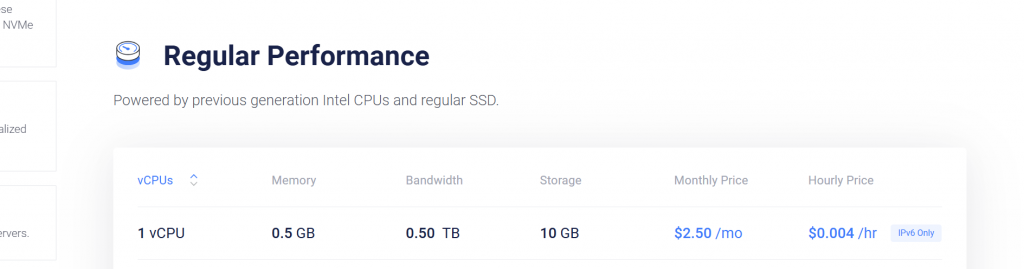
in this section we will see only one plan that is the cheapest and i can see no one offer price below then that. This plan cost you only 2.50$ a month.
vCPUs: 1
Memory: 0.5 GB
Bandwidth: 0.50 TB
Storage: 10 GB
Monthly Price: $2.50 per month
Hourly Price: $0.004 per hour
Notes: IPv6 Only (no IPv4 support)
vCPUs
Memory
Bandwidth
Storage
Monthly Price
Hourly Price
Notes
1 vCPU
0.5 GB
0.50 TB
10 GB
$2.50 /mo
$0.004 /hr
IPv6 Only
There is only one thing that will attract you in this plan is the cost nothing else.
⚠️ What You Should Know Before Choosing Vultr Cheapest VPS Plan
If you’re considering Vultr’s cheapest VPS plan, it’s a super budget-friendly option — but it does come with a few limitations you should be aware of:
No IPv4 – Only IPv6 This is a big one. Most websites and services still rely on IPv4. Since this plan only includes IPv6, many things (like websites, emails, or APIs) may not work out of the box unless you pay extra for an IPv4 address or set up workarounds.
Very Low RAM – Just 0.5 GB With only half a gig of memory, you’ll be limited to running very lightweight applications. Trying to run WordPress or a database on this might be tough unless you heavily optimize everything.
Single CPU Core One virtual CPU means limited processing power. Fine for small tasks, but not ideal if you’re expecting any real traffic or running anything CPU-heavy.
Small Storage – 10 GB SSD The storage is tight. It’s enough for a tiny project or static website, but don’t expect to store much beyond basic files.
Limited Bandwidth – 500 GB/Month Half a terabyte might sound like a lot, but if your site or app serves large files or media, you might hit that cap faster than expected.
No DDoS Protection Included At this price point, don’t expect built-in security features like DDoS protection — it’s more of a DIY approach here.
No Backups or Snapshots If you want to back up your server, you’ll need to handle that manually or pay for Vultr’s backup services separately.
Not Great for All Software Due to the limited resources, some software might not even install properly — especially ones that expect a bit more RAM or disk space.
✅ Best Use Cases:
This plan is great for developers who want to experiment, set up a small IPv6-only project, or learn Linux on a tight budget. But for anything serious or client-facing, you might want to step up to a slightly higher plan that includes IPv4 and more resources.
This is the Vultr cheapest vps. but if you want low price vps is any other catagory of vultr other then the regular minimum cost per month will ve the 6.0$.
But the 6$ vps is not a bad choice or not bad for your site that will give you high performce then this.
Cloud Compute Easy-to-use and affordable virtual machines (VMs) suitable for a wide range of everyday workloads.
Optimized Cloud Compute High-performance VMs featuring NVMe SSDs and isolated environments — no “noisy neighbors” impacting your performance.
Cloud GPU Access virtualized NVIDIA GPUs at affordable rates — great for machine learning, AI, and graphical workloads.
Bare Metal Dedicated single-tenant servers giving you full hardware control with no virtualization layer.
Direct Connect A secure way to privately connect your services within the Vultr ecosystem — ideal for hybrid cloud environments.
Kubernetes Engine Managed Kubernetes clusters to deploy, scale, and manage containerized applications easily.
Databases Fully managed databases that are ready to use right out of the box — no setup or maintenance needed.
Block Storage Scalable NVMe-powered network-attached storage for high-speed and reliable data storage needs.
10 hosting companies in Pakistan to contact
Choosing the right web hosting provider is crucial for any business looking to establish an online presence in Pakistan. With the growth in e-commerce and internet usage in the country, the web hosting market has also expanded significantly over the past decade.
This article explores the 10 best and most reliable web hosting companies in Pakistan that businesses should consider contacting.
When evaluating web hosts, key factors to consider include server uptime, technical support, features offered, scalability options, security measures, and pricing models. By comparing providers across these parameters, you can identify the ideal web host for your specific business needs.
This list have random hosting companies in Pakistan and we do not claim that this is the best list but I will keep updating this web hosting companies in Pakistan to contact list time by time.
Top hosting companies in Pakistan
1. CyberHosting
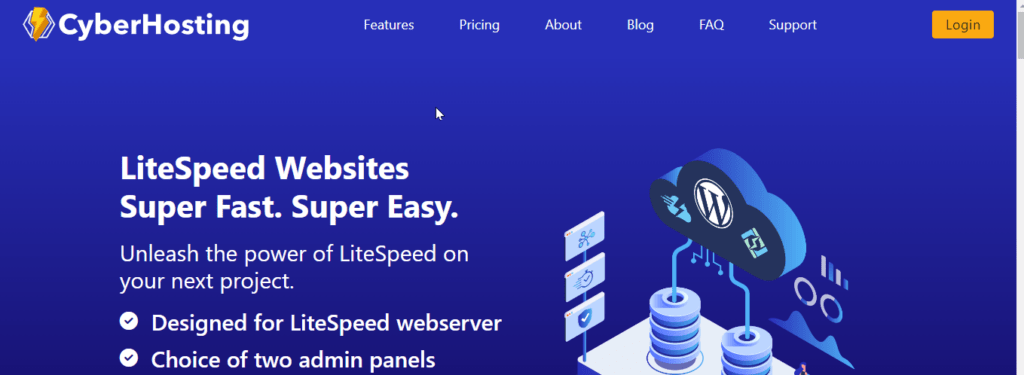
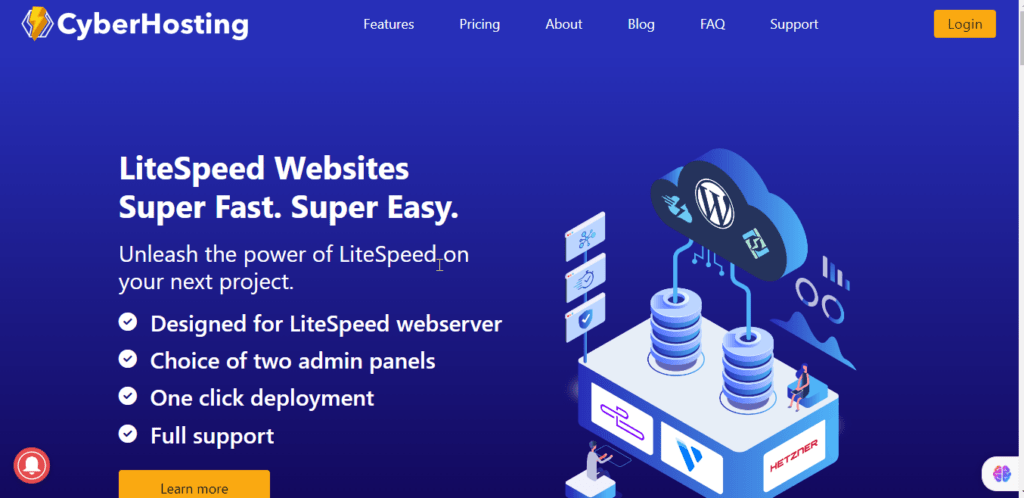
CyberHosting is an international hosting provider. CyberHosting provides VPS hosting that comes with a fully managed plan. CyberHosting is one of the best web hosting company in Pakistan.
CyberHosting prides itself on harnessing the power of LiteSpeed for websites, ensuring a seamless and rapid online experience. LiteSpeed web server optimization is at the forefront of this hosting service, providing users with an environment geared towards maximizing speed and efficiency.
Key Features
Cloud hosting on SSD servers
Unlimited scalability
99.9% uptime guarantee
Free SSL certificate
24/7 customer support
Plans and Pricing
Starts at PKR 2,500/month for 10 GB storage and 50 GB bandwidth
Customizable cloud hosting plans available
Contact Information
Phone: 0800-786-7638
Website: stormfiber.com
2. NAYATEL
NAYATEL provides reliable web hosting and dedicated servers out of Pakistan with excellent connectivity and speeds. They offer customizable enterprise-grade hosting solutions.
Key Features
Dedicated and VPS server options
High-bandwidth connectivity
Custom server configurations
Scalable resources
Professional management
Plans and Pricing
Custom quotes based on requirements
Starts at approx. PKR 5,000/month
Contact Information
Phone: 0800-62-92-83
Website: nayatel.com
3. HOSTSNIPES
HOSTSNIPES is a rapidly growing web hosting company based in Karachi serving businesses of all sizes. They provide VPS and reseller hosting services with strong security.
Key Features
Virtual private servers
Reseller hosting packages
Cloud-based solutions
Free site migration
Anycast DNS protection
Plans and Pricing
Starts at PKR 1,990/month for 10 GB storage VPS
Reseller plans from PKR 11,999/month
Contact Information
Phone: 021-34305363
Website: hostsnipes.com
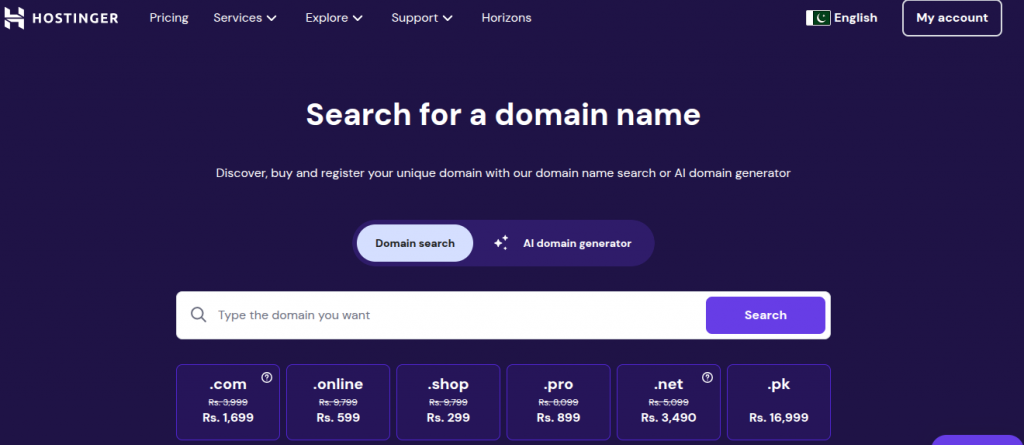
4. HOSTINGER
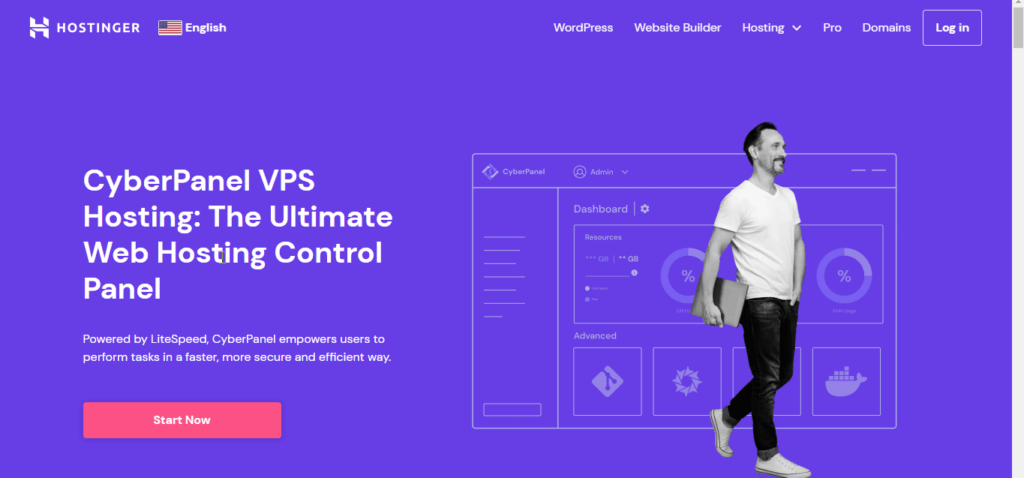
HOSTINGER is an international web hosting provider that offers affordable shared hosting and VPS servers located in Pakistan. Reliable performance with unlimited websites and bandwidth.
Key Features
Local Pakistan-based servers
Unlimited websites and bandwidth
Free domain registration
Intuitive control panel
Scalable VPS offerings
Plans and Pricing
Shared hosting from $0.99/month
VPS servers start at $2.99/month
Contact Information
Phone: 051-849-6140
Website: hostinger.pk
5. iWEB
iWEB is a top web development company providing quality hosting services like dedicated servers, shared hosting, and WordPress optimization.
Key Features
Dedicated and VPS servers
Managed WordPress hosting
Expert optimization
CDN and DDoS protection
High-performance infrastructure
Plans and Pricing
Shared hosting from PKR 250/month
WordPress hosting from PKR 800/month
Get custom quotes for dedicated servers
Contact Information
Phone: 042-3259-1482
Website: iweb.com.pk
6. VEPLER
VEPLER offers secure and speedy VPS and reseller hosting options with excellent 24/7 customer support.
Key Features
High-performance VPS hosting
Reseller account options
Unlimited bandwidth and storage
Fast network and backups
Plans for e-commerce sites
Plans and Pricing
Windows VPS from $7.99/month
Linux VPS from $5.99/month
Reseller plans from $9.99/month
Contact Information
Phone: 0304-055-3323
Website: vepler.com
7. HOSTKING
HOSTKING provides Linux-based shared, VPS, and dedicated hosting with robust security, backups, and support. Reliable partner for SMBs and startups.
Key Features
Shared and VPS hosting
Managed dedicated servers
Free domain name
Regular data backups
Cloudflare CDN integration
Plans and Pricing
Shared hosting from PKR 159/month
VPS from PKR 799/month
Get quotes for custom servers
Contact Information
Phone: 0336 5252323
Website: hostking.pk
8. HOSTMEISTERS
HOSTMEISTERS offer flexible and secure hosting packages with excellent support. Suitable for small businesses looking for affordable yet reliable hosting.
Key Features
Shared, reseller, and VPS hosting
Unlimited SSD storage and bandwidth
Daily backups and SSL certificates
Cloudflare integration
Knowledgable support
Plans and Pricing
Shared hosting from PKR 250/month
VPS hosting from PKR 1,200/month
Accepts major credit cards
Contact Information
Phone: 0333-488-0225
Website: hostmeisters.com
9. FASTHOSTING
FASTHOSTING provides high-speed shared hosting and VPS solutions with an easy-to-use control panel. Reliable uptime record.
Key Features
Shared and VPS server hosting
Unlimited bandwidth and databases
Free SSL certificate
Intuitive control panel
Regular backups
Plans and Pricing
Shared hosting from $1.99/month
Windows VPS from $7.99/month
Discounted annual plans available
Contact Information
Phone: 042-37800281
Website: fasthosting.pk
10. HOSTING73
HOSTING73 offers feature-packed shared and reseller hosting targeted at small and medium businesses in Pakistan. Affordable plans.
Key Features
Shared and reseller hosting
Unlimited bandwidth and sites
SSD storage and Cloudflare CDN
Softaculous auto installer
24/7 live chat support
Plans and Pricing
Shared plans start at PKR 199/month
Reseller hosting from PKR 1,599/month
Contact Information
Phone: 0304-055-3373
Website: hosting73.com
Key Takeaways for Hosting Companies in Pakistan
Research and evaluate multiple Pakistani web hosting providers based on your business needs like expected traffic, site types, scalability needs and budget.
Look for reliable uptime, good connectivity speeds, knowledgeable support, and security features when comparing plans.
Both local and international web hosts offer competitive hosting services and infrastructure in Pakistan.
Shared hosting works well for smaller blogs and sites while VPS and dedicated servers are required for high-traffic sites and apps.
Reseller hosting allows you to host clients under your own brand. Evaluate bandwidth needs before selecting a plan.
Take the time to thoroughly compare your options before selecting a hosting provider in Pakistan. The right platform is essential for delivering a fast, reliable and secure online experience.
Final Words for Hosting Companies in Pakistan
Choosing the right web host for businesses in Pakistan looking to build an online presence. The hosting providers discussed in this article represent some of the top options to consider that offer reliable infrastructure and good technical support. Analyze your website needs and business goals to identify the ideal host that aligns with your budget and requirements.
Factors like uptime, security features, scalability and customer service should drive your decision. Taking the time to thoroughly compare hosting providers will ensure you select the best partner for your website performance and success in Pakistan’s expanding digital landscape. this a small guide for hosting companies in Pakistan.
We have already made an article on How To Make A VPS Hosting Company. This is another article just like the old one. In this we will discuss How to start a VPS hosting company?
We will make this very simple and a words article so everything will be easy to understand.
How to Start a VPS Hosting Company A Step-by-Step Guide
Starting a VPS (Virtual Private Server) hosting company can be a lucrative venture if done right. However, it requires careful planning, an understanding of the technical aspects, and a clear business strategy. Below is a detailed guide to help you navigate through the process of setting up your VPS hosting company. Steps for How to Start a VPS Hosting Company.
1. Understand the VPS Market
Before diving into the business, research the VPS hosting market. Understand the target audience (developers, businesses, startups), the competitors, and the pricing strategies. Identify what features or services can make your offering stand out, such as better performance, enhanced security, or excellent customer support.
2. Choose the Right Business Model
There are several business models you can follow:
Reseller Hosting: Purchase VPS hosting from a larger provider and resell it under your brand.
Self-Managed Infrastructure: Invest in physical servers and build your infrastructure. This model offers more control and profit but comes with higher initial costs.
Hybrid: Use a mix of reselling and self-managed infrastructure. Decide based on your budget, technical expertise, and long-term vision.
3. Set Up Your Infrastructure
Infrastructure is the backbone of your VPS hosting company. You need to decide whether you will own physical servers or rent them from data centers.
Physical Servers: If you’re buying your own servers, you’ll need a data center to host them. Choose a location with excellent network connectivity and security.
Cloud Infrastructure Providers: If you’re renting infrastructure (e.g., from AWS, DigitalOcean, or Linode), select a provider known for reliability and speed. Ensure you have a reliable internet connection, redundant power supplies, and effective cooling systems. The goal is to keep your servers running with minimal downtime.
4. Choose the Right Software
You’ll need several layers of software to manage your VPS hosting company:
Virtualization Software: Popular options include KVM, VMware, Xen, or OpenVZ. Virtualization allows you to divide a physical server into multiple VPSs.
Control Panel: Choose a user-friendly control panel for your clients to manage their VPS. Popular choices are cPanel/WHM, Plesk, or Virtualizor.
Billing and Automation: Use billing platforms like WHMCS or Blesta to automate billing, invoicing, and customer account management.
Security Software: Implement firewalls (like CSF), DDoS protection, and monitoring tools to secure your servers.
5. Build a Professional Website
Your website is the face of your VPS hosting company. Ensure it is professionally designed, easy to navigate, and clearly communicates your services, pricing, and support options.
Key sections your website should include:
Services Overview: Highlight your VPS plans, features, and benefits.
Pricing: Be transparent with your pricing. Offer different tiers to cater to various needs (e.g., small businesses, enterprises).
Support: Offer 24/7 support via chat, email, and phone. Having a ticketing system for customer inquiries is also beneficial.
Customer Reviews/Testimonials: Social proof can build trust with potential customers.
6. Establish Pricing and Packages
Set your pricing structure based on market research and your costs. Consider offering multiple packages with varying resources (CPU, RAM, storage, bandwidth) to appeal to different customers.
You can also add optional add-ons like:
Additional storage or bandwidth
Managed VPS services (for an extra fee)
Enhanced security features (backups, SSL certificates, DDoS protection)
7. Develop a Marketing Strategy
Marketing is key to attracting customers. Use a mix of the following strategies:
SEO: Optimize your website for search engines to rank high in relevant searches.
Content Marketing: Write blogs, guides, and tutorials to help potential customers and establish yourself as an expert in the hosting industry.
Paid Advertising: Invest in Google Ads or social media ads to reach a larger audience quickly.
Referral Programs: Offer discounts or credits to existing customers who refer new clients.
Affiliate Marketing: Partner with affiliates who can promote your services for a commission.
8. Provide Stellar Customer Support
Hosting customers expect quick and reliable support. Ensure you have a dedicated support team available 24/7 to resolve technical issues and answer customer inquiries.
Offer multiple channels: Live chat, email, phone, and a knowledge base.
Aim for a fast response time to reduce customer frustration.
Train your support staff to handle both common and complex issues. Great customer support can set you apart from competitors and build long-term loyalty.
9. Legal and Financial Setup
Set up the necessary legal and financial infrastructure for your business:
Register your company: Choose a business structure (LLC, corporation, etc.) and register your business with the appropriate authorities.
Set up a business bank account: Keep your finances separate from personal funds.
Get insurance: Consider business liability insurance to protect your company from potential lawsuits.
Ensure Compliance: Make sure your business complies with all relevant laws, such as data protection regulations (e.g., GDPR).
10. Scale Your Business
As your customer base grows, you’ll need to scale your infrastructure to meet demand. This could involve adding more servers, upgrading network capacity, or expanding to multiple data center locations.
Regularly monitor your systems to ensure optimal performance and plan for capacity increases in advance.
Conclusion
This is a short but somehow basic guide for How to start a VPS hosting company? Starting a VPS hosting company is a significant investment in both time and money, but with the right approach, it can be a profitable venture. Focus on providing reliable service, excellent customer support, and competitive pricing, and you’ll build a loyal customer base over time.
Success will depend on continuous innovation, marketing, and adapting to the evolving needs of your clients.
So if you are a freelancer or a startup owner who wants to start a web hosting business or wants to manage your websites or your client’s websites this article is for you. Here we will try to understand how to make a VPS hosting company.
To start a hosting company there are a few things that you have to take care and we will discuss them all in detail below as well.
how to make a VPS hosting company?
What is a hosting company or hosting business?
A hosting company is a business that provides you the services for your websites like the hardware and software.
A hosting company, also known as a hosting provider or hosting business, is a company that provides services and infrastructure for hosting websites, applications, and other digital content on the Internet. These companies offer various types of hosting services to individuals, businesses, and organizations, allowing them to make their websites and online services accessible to the public via the World Wide Web.
Types of Hosting services:
Here are some common types of hosting services offered by hosting companies:
Web Hosting: This is the most basic type of hosting service, where hosting companies provide server space and resources for hosting websites. Web hosting can be further divided into shared hosting, VPS (Virtual Private Server) hosting, and dedicated server hosting, each offering different levels of control and performance.
Domain Hosting: Domain hosting companies provide domain registration and management services, allowing users to secure and manage website domain names.
Cloud Hosting: Cloud hosting involves hosting websites and applications on virtualized servers and storage resources that are part of a larger cloud infrastructure. Cloud hosting is known for its scalability and flexibility.
Email Hosting: Email hosting providers offer email services with custom domain names, allowing individuals and businesses to have professional email addresses associated with their domain.
Reseller Hosting: Reseller hosting allows individuals or businesses to purchase hosting resources from a hosting company and then resell those resources to their clients, often under their brand.
WordPress Hosting: Some hosting companies specialize in hosting WordPress websites, offering optimized servers and support for the popular content management system.
E-commerce Hosting: E-commerce hosting providers cater specifically to online businesses, offering features and resources optimized for running online stores.
Application Hosting: This type of hosting focuses on hosting specific applications or software, providing the necessary infrastructure and technical support for those applications to run effectively.
Hosting companies typically manage and maintain the servers, hardware, and network infrastructure required to keep websites and online services accessible 24/7. They also offer technical support, security measures, and backup services to ensure the reliability and security of hosted content. Customers pay hosting companies for these services, usually through monthly or yearly subscription plans.
It’s essential to choose a hosting company that aligns with your specific needs, such as the type of website you’re running, your technical expertise, and your budget, as different hosting services offer varying levels of performance, control, and pricing.
Unlocking the Potential of Hosting Businesses: 12 Key Benefits
Running a hosting business offers a range of compelling advantages for entrepreneurs and business owners. From generating consistent income to global reach, these benefits can make hosting an attractive endeavor. Here, we dive into the advantages of operating a hosting business:
1. Steady, Predictable Revenue: Hosting services operate on a subscription model, providing a reliable source of recurring income. This financial stability is a valuable asset.
2. Scalability at Your Fingertips: Hosting businesses can easily adapt to changing demands, whether it’s scaling up to accommodate more clients or scaling down during quieter periods.
3. Keep Overheads in Check: Hosting businesses typically have lower operational costs, especially once the infrastructure is set up.
4. Tap into a Global Client Base: The internet allows hosting businesses to serve customers from across the globe, extending your reach and broadening your customer base.
5. Diversify Your Income: Hosting companies can offer a variety of services like web hosting, domain hosting, and email hosting, creating multiple revenue streams to reduce dependency on one service.
6. High Demand for Hosting Services: In our digital age, the demand for web hosting services is on the rise as businesses and individuals establish their online presence.
7. Embrace Technological Advancements: Staying up-to-date with the latest technology trends can give you a competitive edge and improve the quality of your services.
8. Foster Partnerships and Reseller Opportunities: Collaborating with software developers and web designers can be lucrative. Reseller hosting, for instance, enables you to bundle hosting with other services.
9. Have Control Over Services: As a hosting provider, you have control over the infrastructure. This means you can customize solutions, enhance security measures, and optimize performance to meet your clients’ unique needs.
10. Build Your Brand and Reputation: A trustworthy hosting brand leads to customer loyalty and word-of-mouth referrals, fueling the growth of your business.
11. Enjoy Flexibility: Many aspects of hosting can be managed remotely, giving you the freedom to work from anywhere, which is especially appealing in the era of remote work.
12. Capitalize on Data Security and Backup: In an age where data protection is paramount, offering robust data security and backup services can be a lucrative addition to your hosting offerings.
While these benefits make hosting businesses an enticing prospect, remember that the industry can be fiercely competitive. Success hinges on consistently delivering top-notch services, offering exceptional customer support, and staying ahead of technological advances to remain competitive.
This revised content is not only more reader-friendly but also incorporates some basic SEO optimization techniques, such as the use of keywords related to hosting businesses.
Things you should know before Estabilings Hosting company:
When you are going to setup hosting business you have take care of a lot of things. You must know the region or location for your servers and your users. You must know about the webservers. You must know about the panel that you are going to use. You must know about the needs that users are asking.
Also you must know how you are going to acquire new users. What will be the strategy for marketing and getting the start. read about AI detector
Things do you need while starting a hosting company?
Starting a hosting company is a complex endeavor that requires careful planning, investment, and technical expertise. Here are the key things you need to consider and have in place when starting a hosting company:
Business Plan: Begin with a comprehensive business plan that outlines your company’s goals, target market, pricing strategy, and revenue projections. A well-thought-out plan will guide your business decisions.
Legal Structure: Choose the legal structure for your business, such as a sole proprietorship, partnership, LLC, or corporation. This decision will affect your liability, taxes, and how you raise capital.
Market Research: Understand your target market and competitors. Identify the unique selling points that will set your hosting business apart.
Infrastructure: Acquire the necessary server hardware, network equipment, and data center facilities to host websites and applications. You may start with a single server and expand as your customer base grows.
Software and Control Panel: Invest in hosting control panel software like cPanel, Plesk, or custom solutions. These tools help you manage hosting accounts and provide a user-friendly interface for your customers.
Internet Connectivity: Secure high-speed, reliable internet connectivity. Redundant internet connections are essential for ensuring uptime.
Data Backup and Recovery: Implement robust backup and disaster recovery solutions to protect your customers’ data. Regular backups are critical for data security.
Security Measures: Invest in security measures to protect your infrastructure and customers’ data from cyber threats. This includes firewalls, intrusion detection systems, and encryption.
Technical Expertise: Hosting businesses require in-depth technical knowledge. Ensure you or your team has the necessary expertise in server management, networking, and web hosting technologies.
Website: Develop a professional website that showcases your hosting services, pricing, and customer support information. An easy-to-navigate website is crucial for attracting customers.
Customer Support: Provide responsive customer support, including 24/7 technical support. Customers often choose hosting providers based on the quality of support.
Pricing Strategy: Determine your pricing structure. Consider offering various hosting plans, such as shared hosting, VPS hosting, and dedicated server hosting, with different price points.
Billing and Payment System: Set up a billing and payment system to handle subscriptions and payments. Many hosting businesses use billing software tailored for web hosting.
Legal and Contracts: Create clear terms of service, privacy policies, and service level agreements (SLAs) to protect both your company and your customers.
Marketing and Sales Strategy: Develop a marketing plan to attract customers. Consider online advertising, content marketing, and partnerships with web designers and developers.
Regulatory Compliance: Be aware of and comply with any legal and regulatory requirements in your region. Hosting businesses often need to address issues related to data privacy and copyright.
Monitoring and Maintenance Tools: Implement server monitoring and management tools to ensure the health and performance of your hosting infrastructure.
Scalability Plan: Have a strategy for scaling your hosting infrastructure and support as your customer base grows.
Quality of Service: Commit to providing high-quality hosting services, including reliable uptime, fast page loading times, and data security.
Insurance: Consider business insurance, including liability insurance, to protect your business from potential legal and financial risks.
Starting a hosting company is a significant undertaking that requires careful planning, technical expertise, and financial resources. Success in this industry often hinges on your ability to provide reliable and secure hosting services while delivering excellent customer support.
How to start a hosting company?
Starting a hosting company is a complex process that requires careful planning and a solid technical foundation. Here’s a step-by-step guide to help you get started:
Market Research and Planning:
Identify Your Niche: Research the hosting market to identify your target niche. Determine whether you want to provide general hosting services or specialize in a specific area, such as WordPress hosting, e-commerce hosting, or VPS hosting.
Competitive Analysis: Study your competitors to understand their strengths and weaknesses. Identify gaps in the market that you can exploit.
Business Plan: Develop a detailed business plan that outlines your company’s mission, vision, target market, pricing strategy, and revenue projections. This plan will serve as a roadmap for your business.
Legal and Business Setup:
Choose a Legal Structure: Decide on the legal structure of your hosting business, such as a sole proprietorship, partnership, LLC, or corporation. This affects your liability, taxes, and business operations.
Register Your Business: Register your business with the appropriate government authorities and obtain any necessary licenses or permits.
Infrastructure and Technology:
Server Hardware: Acquire the necessary server hardware, such as dedicated servers or cloud infrastructure. Consider the scalability and reliability of your servers.
Data Center: Choose a data center or hosting facility where you will house your servers. Data centers provide the necessary infrastructure and security for your hosting operations.
Control Panel Software: Invest in control panel software like cPanel, Plesk, or custom solutions to manage hosting accounts and provide an easy-to-use interface for your customers.
Network Setup:
Internet Connectivity: Ensure high-speed, redundant internet connections to maintain uptime and reliability.
Network Security: Implement robust security measures, including firewalls, intrusion detection systems, and encryption, to protect your network and customer data.
Technical Expertise:
Hire or Train Staff: Hire or train staff with the necessary technical expertise to manage servers, networks, and customer support.
Technical Support: Develop a responsive customer support team that can provide 24/7 technical support to your customers.
Website and Marketing:
Website Development: Create a professional website that showcases your hosting services, pricing plans, and contact information.
Marketing Strategy: Develop a marketing strategy to attract customers. Consider online advertising, content marketing, and partnerships with web designers and developers.
Pricing and Billing:
Pricing Structure: Determine your pricing structure, including various hosting plans with different features and price points.
Billing System: Set up a billing and payment system to manage subscriptions, payments, and customer accounts.
Legal and Compliance:
Terms of Service: Create clear terms of service, privacy policies, and service level agreements (SLAs) to protect both your company and your customers.
Regulatory Compliance: Ensure that your business complies with any legal and regulatory requirements in your region, especially regarding data privacy and intellectual property rights.
Quality Assurance:
Quality of Service: Commit to providing high-quality hosting services, including reliable uptime, fast page loading times, and data security.
Monitoring and Maintenance: Implement server monitoring and management tools to maintain the health and performance of your hosting infrastructure.
Scaling Your Business:
Plan for scalability by having strategies in place for expanding your hosting infrastructure and support as your customer base grows.
Starting a hosting company is a significant undertaking that requires thorough planning, technical expertise, and financial resources. Success in the hosting industry relies on your ability to provide reliable and secure hosting services while delivering excellent customer support. Be prepared for ongoing maintenance, updates, and staying current with technological advancements to remain competitive.
Last words:
In conclusion, starting a hosting company is a venture that offers significant potential for success, but it requires meticulous planning and a strong technical foundation. The hosting industry is competitive, and achieving and maintaining customer trust is paramount.
CloudPanel vs CyberPanel: 5 Key Differences & Which One is Better
CloudPanel vs CyberPanel, Which one is better? So this is a very simple compression article for both of these panels. These days people are finding a very cheap and useful hosting management panel for their sites to manage. So without going into a lot of discussions, I will straight go to the features, pricing, and details of both cyberpanel and cloudpanel then will compare both as well.
cloudPanel vs cyberPanel
CyberPanel:
CyberPanel is a free and open-source product that supports Open LItspeed and LiteSpeed enterprise. The CyberPanel is serving in market science 2015 at that time cyberpanel was the only panel that supported LiteSpeed. The CyberPanel is a web hosting control panel designed to simplify the process of managing web servers and hosting websites. It is a free and open-source control panel that is designed to work with the LiteSpeed web server. LiteSpeed is known for its high performance and efficiency, making it a popular choice for web hosting.
Website:https://cyberpanel.net/
CyberPanel Features:
CyberPanel comes with a long list of great features. In general, cyberpanel is considered an alternative to cpnale. Because it has all the features and specialties like cpnale. It has the email, FTP, DNS, database, user, and database management in its dashboard.
In CyberPanel you will get the complete webhosting managed panel feature list.
Email services
FTP services
DNS services
SFTP services
User management
WordPress manager
Email debugger
Mod Security
Let’s encrypt SSL
SSL v2
Remote backup
S3 backups
SFTP Backups
G drive backups
Local Backups
CSF
Firewalld
SSH Management
Rspamd
Website Management
Packages Management
CyberPanel Pricing:
The basic version of CyberPanel comes totally free and you can just buy a VPS, cloud, or dedicated server to install this and use it.
But CyberPanle also has some paid add-ons you can check here. Ready to Complete the CyberPanel tutorial here.
CloudPanel is a user-friendly, open-source control panel that simplifies server management. It’s built with efficient components like NGINX, PHP-FPM, and MySQL to ensure high performance. With CloudPanel, you can have your server up and running in just 60 seconds, making it a quick and accessible solution for managing web hosting, websites, and related services, all at no cost.
Website:https://www.cloudpanel.io/
CloudPanel pricing:
Now let’s discuss cloudpanel. CloudPanel is totally free and you can install this at your server.
CloudPanel features:
There is a large list of CloudPanel features as well.
In the quest for an efficient and cost-effective hosting management panel, the comparison between CloudPanel vs CyberPanel stands as a pivotal choice. While delving into the features, pricing, and core details of both solutions, we find that each offers a unique set of advantages.
CloudPanel shines with its lightweight technology stack, providing an array of features for optimized server management. On the other hand, CyberPanel boasts a user-friendly interface and quick setup, making it an attractive choice for those who prioritize ease of use. The choice between these panels ultimately depends on your specific needs and preferences, as both CloudPanel and CyberPanel bring valuable tools to the table. It’s advisable to weigh the distinct features and capabilities of each to align with your hosting requirements, budget, and user experience expectations.
If you are going to buy a new CyberPanel hosting for your business you should have to consider few providers I am going to list in this article.
In this article, I am not just going to add few hosting option and ask you to buy. I will give you brief details about how to choose hosting, what you have to take care of while choosing a hosting, which stack is good for your site, and all.
Once you read this article let’s move toward the options we have in CyberPanel.
CyberPanel base Hosting options:
There are a few top-level options for this which are managed and unmanaged let’s discuss them one by one.
1. CyberHosting:
CyberHosting is a managed hosting solution that provides you with hosting solutions in different locations and different providers. The CyberHosting has a large range of servers with Hetzner, Vultr, Upcloud, and their own cyberhosting dedicated VPS solution.
Webiste: https://www.cyberhosting.cloud
Pricing: https://cyberhosting.cloud/pricing/
Trial: Cyberhosting offers 3 days free trial
Locations: CyberHosting offers a large range of locations
2. Hostinger:
Hostinger is also an option that provides you the CyberPanel hosting. They provide mostly unmanaged hosting and mostly they work on their hardware.
Vultr is one of the well-known hosting providers and they are very popular for their VPS. Especially the high-frequency VPS. They offer unmanaged VPS solutions and you will find the Cyberpanel in their market place and you can use that.
Like Vultr AWS also has the cyberpanel in their marketplace. Amazon Web Services (AWS) is a cloud computing platform offered by Amazon that provides a wide range of cloud services, including hosting solutions for websites, applications, and various workloads. AWS offers a flexible and scalable infrastructure that allows businesses and developers to host their applications and data in the cloud.
DigitalOcean is a cloud infrastructure provider that offers cloud computing services to developers and businesses. While it’s not as comprehensive as Amazon Web Services (AWS) in terms of the number of services offered, DigitalOcean is known for its simplicity, developer-friendly approach, and competitive pricing.
There are many other small and large hosting solutions that provide cyberpanel. There are also managed and unmanaged hosting solutions that are cyberpanel-based. But these are some top solutions that I added to my list.
My recommendation is cyberhosting.cloud.
How to Choose a hosting provider smartly?
When we talk about hosting or hosting providers, or hosting plans, then we have to keep many things in mind. So in this article, I will tell you how to choose a hosting provider smartly.
So basically I am not writing here any formula or any expert opinion here to choose a host. In this article, I will just add how I choose a hosting provider. And what are the key points in my mind while choosing a hosting provider. So let’s begin with the key point I will keep in mind while choosing a hosting provider.
Key points of how to choose a hosting provider?
Here are some important things you should keep in mind and also you should focus on while choosing a hosting provider.
Hosting Type:
First decide which type of hosting you want you want a shared server, a VPS, or a Dedicated server. Let me tell you the difference between all these.
Shared server: In a shared server you will get a user account in some server with limited access. on the shared server, there will be your site as well as many other sites.
VPS: Big server is divided into small servers and you have all access to that at the root level.
Dedicated Server: A server that is 100% yours and you are the owner of that.
Shared hosting is the cheapest of all, VPS hosting is more costly the shared but cheap than Dedicated.
Now my recommendation is if you are using a normal blog site with a fresh start then get a shared hosting in the start and then upgrade. If you have some kind if good site then you can go with vps. But if you want to run a big business site then must go with the dedicated server.
Hosting Type (Managed hosting or Unmanaged hosting):
The first thing you should ask yourself is what type of hosting plan you want. Do you want a managed hosting plan? Do you want unmanaged or self-hosted hosting? Once this thing is clear to you then you can go ahead and see the possibility.
Now let me first tell you about the difference between managed and unmanaged hosting and then what is my suggestion on it. So Managed hosting is the hosting In which you don’t have to take care of anything if any issue related to the server happens your provider is responsible to solve that. With the server that also provides you the support like cyberhosting.org and other combines. But on the other hand, Unmanaged hosting is the hosting where you have to manage each and everything of your service provider will only give you the server hardware you have to manage everything like hostinger in some cases.
Now if you are good with server sides things then must go with unmanaged and manage it yourself. But if you don’t know about the Linux and server things then get a managed plan.
Manged is more costly hosting than unmanaged but in unmanaged you have to manage all things while managing the hosting provider you relax services.
Web Server or Stack:
The next and most important thing is which webserver you are going to use on your server. There are many like Apache, Nginx, LiteSpeed, and all others. So now the question is which one is best for you.
If you are going to use a VPS server then must go with a free version of LiteSpeed that is open LiteSpeed also known as OLS.
But mostly share servers use Apache and LiteSpeed ENT as well. Nginx is also a good option personally I like OLS.
Pricing:
So now come to the pricing good provider always have high pricing so what should you do? When we talk about hosting you should to take care more about the services provided by the provider.
So if you have a low budget then you should have to go for an unmanaged plan or shared plan.
But always go for a good service no matter if you have some level of high price.
Hosting Panel:
There are a lot of free and paid hosting panels. All depends upon which web server stack you selected for your server.
For Open litespeed you have:
CyberPanel
CloudPages
Gridpane
RunCloud
For LitSpeed ENT, Apache and Niginx you have:
Capanel
plesk
CyberPanel
CloudPages
Gridpane
RunCloud
Support:
This is something that matters a lot in hosting. And to judge this you have to take care and check few things.